Introduction
Africa is gradually establishing itself as one of the strategic hubs of the global oil market. With new offshore discoveries, ramping up production, and growing energy needs, the continent is attracting investors, oil companies, and trading companies such as Real Energy Trading. The outlook for 2026 is promising, but accompanied by structural, regulatory, and geopolitical challenges.
1. African countries with high oil potential
Several African countries are playing a key role in the current oil market dynamics:
- Nigeria: Africa’s leading producer, with a gradual recovery after years of underproduction.
- Angola: investments in deep offshore fields and optimization of existing blocks.
- Senegal and Mauritania: ramp-up of the Sangomar and GTA projects, transforming the region into a new energy hub.
- Libya: high potential despite ongoing political instability.
These countries offer major opportunities in terms of supply, trading, and long-term contracts.
2. Impact on international markets
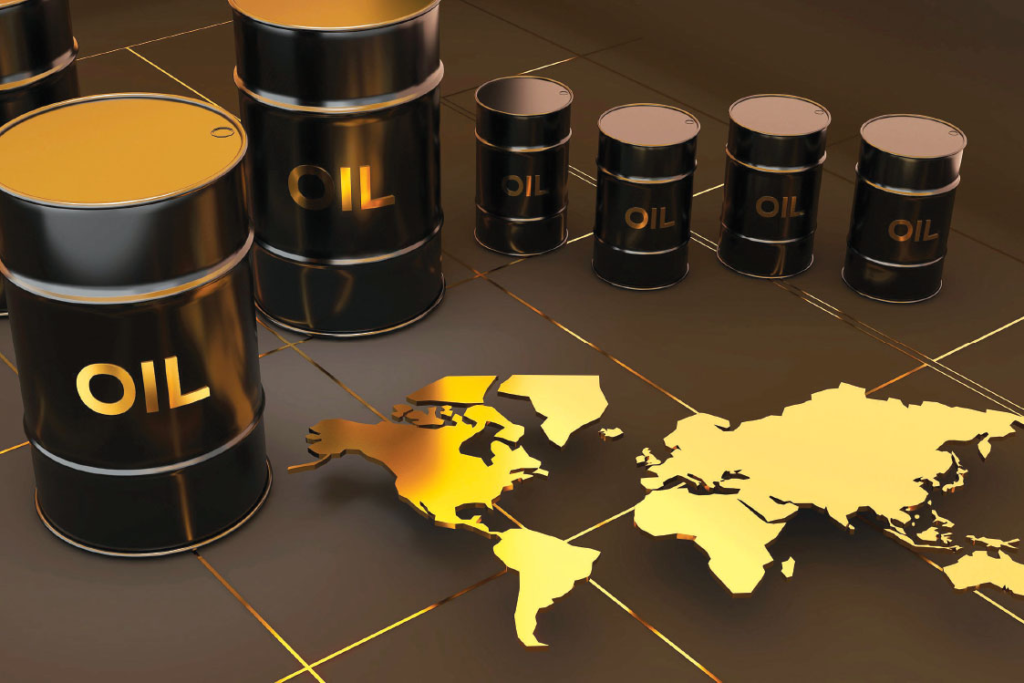
The increase in African production directly influences:
- Brent prices, the benchmark for many African oils
- Trade flows to Europe and Asia
- The diversification of supply sources outside the Middle East
For traders, this means greater supply flexibility and an increased ability to optimize margins.
3. Enjeux réglementaires et environnementaux
African governments are gradually strengthening:
- Tax frameworks
- Local content requirements
- Environmental standards
Trading companies must incorporate these constraints into their strategies in order to secure their operations and maintain their competitiveness.
Conclusion
By 2026, the African oil market will represent a strategic lever for energy trading players. A detailed understanding of production areas, local regulations, and market dynamics is essential to seize these opportunities for sustainable growth..
GET IN TOUCH